

- Earn your Master of Science in Marriage and Family Therapy online from Northwestern University
- Complete your degree in as few as 21 months full time or 36 months part time
- Gain hands-on experience through 400 hours of supervised clinical practicum training
- Learn to support individuals, couples, and families using systemic and relationship-based approaches
- Complete clinical fieldwork through practicum placements in or near your community
- Graduate from a COAMFTE-accredited program designed to support licensure eligibility in many states
Northwestern University Online MFT
Learn how to treat clients from diverse backgrounds and populations with consideration for relationships and systemic context.
Online MFT Program Highlights
Prepare to become a licensed marriage and family therapist through a flexible online learning experience:
Through a blend of online coursework, clinical training and faculty mentorship, you’ll develop the knowledge and practical experience needed to pursue licensure and help individuals, couples, and families navigate life’s challenges.
The online Master of Science in Marriage and Family Therapy program is offered by The Family Institute at Northwestern University, one of the nation’s leading relationship-based behavioral health organizations.
As a branch of Northwestern University’s on-campus MFT program, the online program upholds The Family Institute’s standards of research, education and clinical training, preparing students to help individuals, couples, and families strengthen relationships and navigate complex life challenges.
COAMFTE Accreditation and Licensure
The on-campus and online branches of the Marriage and Family Therapy Program at Northwestern University are accredited by the Commission on Accreditation for Marriage and Family Therapy Education (COAMFTE): coa@aamft.org.
A COAMFTE-accredited program provides the graduate education and clinical training required for licensure eligibility. Licensure requirements vary by state and may include additional coursework, an examination and supervised postgraduate clinical experience.
Northwestern Online MFT Admission Requirements
Although no GRE is required for admission, applicants must hold a bachelor’s degree from a regionally accredited institution. A degree in one of the following fields is preferred but not required:
- Psychology
- Social sciences
- Behavioral sciences
- Child and family services
- Human development and family studies
- Family science
If you do not have an undergraduate degree in these fields, you must take (or have taken) both a college-level psychology and human development course or their equivalents. However, we still do not require GRE scores for admission.
Your completed application must include the following items:
- Unofficial and official transcripts from postsecondary institutions/programs attended
- At least two letters of recommendation
- Current resume or curriculum vitae
- Academic statement (1000 word maximum)
- Personal statement (500 word maximum)
- Official scores for the Test of English as a Foreign Language (TOEFL) if applicable
- $95 application fee

Join Our Next Cohort of
Client-Focused Practitioners
The final deadline for the January 2027 cohort is October 26, 2026.
No GRE required.
Online MFT Program Curriculum
Our curriculum is rooted in the integrative systemic therapeutic (IST) model. Developed in collaboration with Northwestern faculty, the IST values client participation in developing therapy plans and providing tools to systematically address complex factors.
Students can choose between an accelerated 21-month full-time track or a flexible 36-month part-time track. Both pathways include the same 25-credit curriculum and clinical training requirements, while the part-time option distributes coursework across additional terms for greater flexibility.
Courses
The online MFT consists of 19 academic and 6 internship graduate-level courses taught by experts in the field.
Course topics include:
- Basic concepts in systemic therapy
- Systems therapy methods
- Human development and the life cycle
- Family therapy treatment models
- Group therapy
- Legal, ethical, and professional issues
- Sex therapy
- Cultural curiosity and humility
- Substance use, misuse, and addiction
Course spotlight:
Intimate Relations 1
Study the Integrative Systemic Therapy (IST) approach for working with couples, with a focus on communication patterns, emotional dynamics, and relational conflict. Coursework explores theoretical models, case conceptualization, and intervention through a culturally informed lens.
Power, Privilege, and Difference: Practicing Cultural Curiosity and Humility in a Multicultural World
Examine how race, culture, gender, sexuality, religion, and other aspects of identity shape lived experience and therapeutic practice. Students develop cultural humility, increase awareness of personal and institutional bias, and learn to work more effectively with diverse populations.
Immersion & Clinical Fieldwork
Students must attend and participate in one in-person immersive experience, held over the course of 3 days, in the Chicagoland area.
Students will also complete 400 hours of clinical fieldwork, 100 of which are relational hours, at a site near your community. Our dedicated team of placement specialists work closely with you to find appropriate sites that fit your individual career goals and passions.
Clinical Training Requirements
| Requirement | Details |
|---|---|
Clinical Fieldwork Hours | 400 total hours |
Relational Hours | 100 minimum |
Placement Support | Dedicated placement specialists assist students in securing approved local clinical placements |
Immersion Experience | One required in-person immersion experience |
Format | Hands-on clinical training integrated with live online coursework |
Why the Online MFT from Northwestern?
The online Master of Science in Marriage and Family Therapy degree from Northwestern University combines evidence-based teaching and pioneering research in a highly collaborative environment that fosters clinical excellence.
As a graduate, you will be able to conduct therapy with a diverse set of populations and problems, utilize the IST framework to integrate knowledge from the field into your practice, and demonstrate multicultural sensitivity and ethical competence in your work.
MFT@Northwestern has been carefully designed to offer a rigorous yet rewarding experience that prepares effective practitioners to help couples, individuals, and communities thrive. Through a combination of in-person clinicals, one immersion experience, and live online courses, our program is structured to ensure your entire experience feels personal, meaningful, and actionable.

Attend live class sessions with no more than 15 students per classroom.

Learn from well-qualified professors with therapeutic experience.

Dig deeper with live study sessions and faculty office hours.

Complete coursework anywhere, anytime with our mobile app.

Work with a placement specialist to find an approved clinical site near your community.
Meet Our Faculty
Northwestern faculty comprises active practitioners who are leaders within prominent national, international, and state-level professional organizations, including the American Association for Marriage and Family Therapy (AAMFT). Many faculty members also edit and contribute to influential publications and top journals in the fields of systemic family therapy and psychology.
Learn from clinician-scholars and active practitioners who bring real-world therapeutic experience into the virtual classroom. Northwestern faculty are leaders in systemic family therapy, clinical research, and culturally responsive care.

Lisa René Reynolds, PhD, LMFT
Clinical Assistant Professor of Psychology at Northwestern University
Dr. Lisa René Reynolds is a licensed marriage and family therapist with more than three decades of clinical experience. Her expertise includes ethics, supervision, and systemic therapy education, informed by her leadership as a former program director at a COAMFTE-accredited institution and former chair of the AAMFT Ethics Committee.
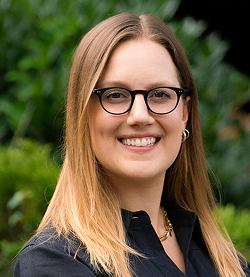
Laura Golojuch, PhD, LMFT
Clinical Assistant Professor of Psychology at Northwestern University
Dr. Laura Golojuch is a clinician-scholar and AAMFT Approved Supervisor whose work focuses on social justice, equity, and multicultural practice in couple and family therapy. She brings extensive experience in clinical training, supervision, and preparing future therapists to work with diverse individuals, couples, and families.

Racine Henry, PhD, LMFT
Clinical Assistant Professor of Psychology at Northwestern University
Dr. Racine R. Henry is a licensed marriage and family therapist whose clinical and scholarly work focuses on Black mental health, women’s issues, trauma, intersectionality, racial identity, and social justice. An AAMFT Clinical Fellow and Approved Supervisor, she combines extensive clinical practice with expertise in culturally responsive couple and family therapy.
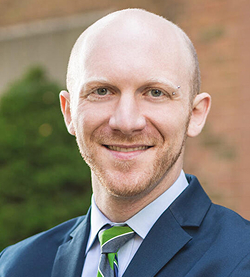
Samuel Allen, PhD, LMFT
Clinical Assistant Professor of Psychology at Northwestern University
Dr. Samuel Allen specializes in LGBTQ+ mental health, intersectionality, and culturally responsive systemic therapy. His research and clinical work focus on supporting diverse couples, families, and communities through evidence-based and socially informed therapeutic practice.

Jennifer White VanBoxel, PhD, LMFT
Clinical Assistant Professor of Psychology at Northwestern University
Dr. Jennifer White VanBoxel is a licensed marriage and family therapist, educator, and supervisor with expertise in systemic therapy, clinical supervision, and therapist development. She helps emerging clinicians integrate theory and practice through relational, strengths-based, and culturally responsive approaches to care.
Change the Big Picture at the Individual Level
No GRE required
What Is an MFT Degree?
A Master of Science in Marriage and Family Therapy degree is the first step toward preparing for LMFT licensure, which varies by state. Once licensed, LMFT professionals are able to provide collaborative care to families, couples, and individuals in private practice, academic, mental health agencies, and other environments. Licensed practitioners provide a diverse array of services, including:
- Psychotherapy of all forms
- Qualified behavioral health care
- Treatment for couples and families with a blend of therapies
- Supervisory roles

Marriage and Family Therapist Job Outlook
According to the U.S. Bureau of Labor Statistics, employment of marriage and family therapists is projected to grow 13% through 2034, much faster than average for all occupations.1
13%
Projected growth through 2034
7,700
Projected MFT job openings each year
77,800
Total employment for MFT jobs in 2024
Career Paths for MFT Graduates
Marriage and family therapists work across a range of clinical, healthcare, community, and government settings. According to the U.S. Bureau of Labor Statistics (BLS), employment of marriage and family therapists is projected to grow 13% through 2034, much faster than the average for all occupations. Median pay for marriage and family therapists was $63,780 per year based on the latest available BLS data.2
While many graduates pursue licensure and careers as marriage and family therapists, the skills developed in this program may also support careers in related helping professions. Depending on licensure requirements, professional experience, and employer expectations, graduates may pursue roles such as behavioral health therapist, mental health counselor, substance abuse counselor, child and adolescent therapist, case manager, crisis intervention specialist, community mental health practitioner, or positions in nonprofit, advocacy, and program development organizations.
Salary data reflects the latest available U.S. Bureau of Labor Statistics Occupational Employment and Wage Statistics data. Actual salaries may vary based on geographic location, licensure status, employer, and years of experience.
Change Your Community,
One Interaction at a Time.
No GRE required
FAQs About Northwestern’s Online MS in MFT
-
At Northwestern, the MS in Marriage and Family Therapy is specifically built to meet the rigorous standards for licensure as an LMFT, and in many cases, an LPCC, allowing graduates to practice in diverse settings across the country.
-
Determining if an MFT is “worth it” usually comes down to your long-term career goals versus the initial cost of the degree. While the field is growing rapidly, the early years of licensure, where you are collecting supervised hours, can be lean. However, for those who value the flexibility of opening a private practice or working in specialized healthcare systems, the high demand for mental health professionals provides a stable, rewarding career path with significant salary growth as you specialize.
-
The demand is growing much faster than average (3%). Employment of marriage and family therapists is projected to grow 13 percent through 2034, driven largely by a societal shift toward prioritizing mental health.7 While some regions are more saturated than others, the need for therapists who can navigate complex family dynamics and modern relationship issues continues to outpace the number of graduates entering the workforce.
-
Salaries vary significantly by geography and setting. MFTs typically see the highest earnings in states with higher costs of living, such as California, New York, and Hawaii, where reimbursement rates are often adjusted. Beyond location, your “earning ceiling” is often determined by your environment; private practice and leadership roles in large healthcare networks like Kaiser Permanente or university administrations tend to offer the most competitive compensation packages.
-
While clinical pay scales are often tied to license type rather than school name, the Northwestern “brand,” specifically its association with The Family Institute, carries significant weight during the hiring process. Being a “Northwestern Grad” often opens doors to high-end group practices and competitive internship sites that prioritize the program’s rigorous, research-backed training. In a field where networking is vital, the alumni connection can be a major differentiator in landing your first post-grad role.
-
Yes. As a Licensed Marriage and Family Therapist, you are a fully qualified mental health professional trained to assess and diagnose disorders. While your approach might emphasize how a diagnosis affects (and is affected by) a client’s support system, you are legally and professionally authorized in almost every state to provide formal clinical diagnoses.
-
Absolutely. LMFTs are trained extensively in the DSM-5 and are qualified to diagnose the full spectrum of mental health conditions, from common struggles like Generalized Anxiety and PTSD to more complex clinical presentations like Bipolar Disorder or Schizophrenia. The “Marriage and Family” title refers to the systemic treatment philosophy, not a limitation on the types of conditions you can treat.
-
No. LMFTs are clinical counselors, not medical doctors or psychiatric nurse practitioners. Our expertise lies in “talk therapy” and behavioral intervention. If a client requires medication, an LMFT works as part of a collaborative care team, referring the patient to a psychiatrist or primary care physician while continuing to provide the therapeutic side of treatment.
-
Northwestern uses a “synchronous” model, meaning you aren’t just watching recorded lectures. You participate in live, high-definition virtual classrooms where you engage in real-time role-playing and mock sessions. Once you move into your field placement, you’ll have weekly, face-to-face (via video) supervision with AAMFT-approved experts who review your clinical work and provide the same level of scrutiny you’d receive in an on-campus setting.
-
You aren’t left to find a placement on your own. Northwestern assigns you a dedicated placement specialist who works to find an approved clinical site in your local community. This specialist vets the location to ensure it meets the program’s high standards, allowing you to complete your 400+ clinical hours without having to relocate to the Evanston/Chicago area.
-
This is a common point of confusion. COAMFTE is the “gold standard” specifically for Marriage and Family Therapy, focusing on systemic training. CACREP is a broader accreditation that covers various types of counseling (like school or addiction counseling). Northwestern’s MFT program is COAMFTE-accredited to ensure you meet the specific, rigorous requirements for MFT licensure, whereas their general Counseling MA holds the CACREP credential.
-
Yes, the program welcomes “career changers.” While you don’t need a BA in Psychology, you do need to have completed foundational coursework in human development and general psychology. The admissions committee looks for diverse backgrounds, whether you’re coming from business, the arts, or education, provided you can demonstrate the emotional maturity and academic readiness required for clinical work.
-
No, the GRE is not required for the online MSMFT. Northwestern has moved toward a holistic admissions model, meaning they place much more value on your personal statement, professional recommendations, and relevant life or volunteer experience than on a standardized test score.
-
It is possible, but it requires a high level of discipline. Most students working full-time choose the 36-month part-time track to balance their professional lives with the program’s synchronous class times. However, once you reach the clinical internship phase, which requires a significant weekly time commitment for therapy hours, many students find they need to scale back their work hours to stay focused.
-
The timeline depends on the track you choose. The Full-Time Track takes roughly 2 years (21 months) to complete. If you need more flexibility to balance work or family, the Part-Time Track takes approximately 3 years (36 months). Both paths require the same number of classes and 400 hours of direct clinical experience.
-
In terms of the degree earned and the curriculum taught, there is no difference—both are COAMFTE-accredited and taught by the same esteemed faculty. The primary difference is the delivery method. The on-campus track offers the traditional “Family Institute” immersion in Chicago, while the online track uses the 2U platform to bring that same live, face-to-face classroom experience to students regardless of their location.
-
While the MSMFT is a terminal clinical degree, meaning it’s designed to get you into practice immediately, the program’s prestige and rigorous research foundations make it a strong credential for PhD applications. However, if your ultimate goal is a research-heavy PhD in Clinical Psychology, you should be aware that this program is primarily focused on producing world-class practitioners rather than career researchers.
- Marriage and Family Therapists. (2025). U.S. Bureau of Labor Statistics. Retrieved May 20, 2026. ↩︎
- Marriage and Family Therapists. (2025). U.S. Bureau of Labor Statistics. Retrieved May 20, 2026. ↩︎
- Marriage and Family Therapists. (2025). U.S. Bureau of Labor Statistics. Retrieved May 20, 2026. ↩︎
- Marriage and Family Therapists. (2025). U.S. Bureau of Labor Statistics. Retrieved May 20, 2026. ↩︎
- Marriage and Family Therapists. (2025). U.S. Bureau of Labor Statistics. Retrieved May 20, 2026. ↩︎
- Marriage and Family Therapists. (2025). U.S. Bureau of Labor Statistics. Retrieved May 20, 2026 ↩︎
- Marriage and Family Therapists. (2025). U.S. Bureau of Labor Statistics. Retrieved May 20, 2026. ↩︎